May 18, 2026
Your roof protects your home from rain, wind, heat, cold, and falling debris every day. Over time, even a well-built roof can develop problems that affect its strength, appearance, and ability to keep moisture out. Some issues are easy to notice, such as missing shingles or water stains on the ceiling, while others can stay hidden until the damage becomes more serious. Knowing which roofing problems require professional attention can help homeowners act quickly and avoid larger repair costs.
A professional roofer can inspect your roof, identify the source of damage, and recommend the right repair before the problem spreads. From leaks and damaged flashing to ventilation concerns and storm damage, roofing issues should not be ignored. Timely repairs can extend the life of your roof and help protect the rest of your home. Understanding these common problems can make it easier to recognize when it is time to schedule service.
Repairing Roof Leaks
Roof leaks are one of the most common problems homeowners face. A leak may begin as a small drip, but it can quickly lead to water stains, damaged insulation, mold growth, and structural concerns. Leaks often develop around chimneys, vents, skylights, valleys, or areas where shingles have been damaged. Finding the true source of the leak is not always simple because water can travel before it appears inside the home. Ignoring early signs can allow moisture to spread and cause more extensive interior damage over time.
A trained roofer can trace moisture back to its entry point and repair the damaged area properly. This may involve replacing shingles, sealing flashing, repairing underlayment, or correcting problems around roof penetrations. Quick action is important because water damage often worsens with every storm. Professional leak repair helps protect ceilings, walls, attic spaces, and the overall structure of your home. Addressing leaks promptly can also help prevent mold growth and improve indoor air quality.
Replacing Missing Shingles
Missing shingles leave your roof vulnerable to moisture, sunlight, and wind damage. Shingles can come loose because of strong storms, aging materials, poor installation, or repeated exposure to harsh weather. Once a shingle is gone, the layers beneath it may begin to deteriorate. Even a small missing section can create an opening for water to enter. Over time, this exposure can weaken surrounding materials and increase the risk of additional damage, which may require a professional roofer to assess and repair properly.
Replacing missing shingles helps restore the roof’s protective surface. A professional can match replacement shingles as closely as possible and check surrounding areas for additional wear. This is especially important after high winds or heavy storms because nearby shingles may also be loose. Addressing missing shingles early can prevent leaks and help maintain the appearance of your roof. Timely repairs also help extend the overall lifespan of your roofing system.
Fixing Damaged Flashing
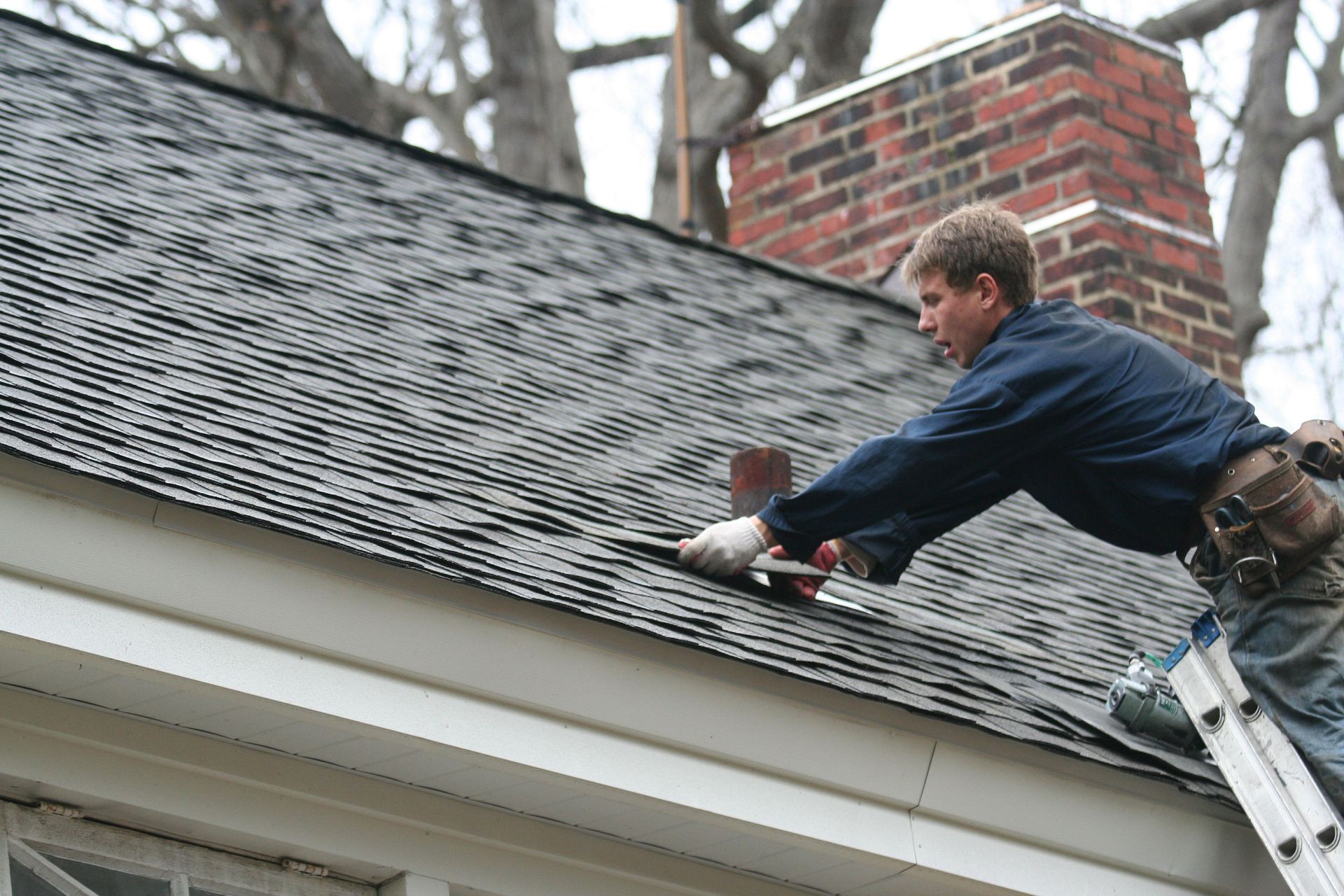
Flashing is installed around roof features where water is more likely to enter, including chimneys, skylights, vents, and wall intersections. When flashing becomes bent, cracked, rusted, or loose, it can no longer direct water away from these vulnerable areas. Damaged flashing is a frequent cause of leaks because it affects some of the most moisture-prone parts of a roof. If left untreated, water can seep behind siding, into attic spaces, or beneath roofing materials. Over time, this can lead to hidden damage that may not be immediately visible from the outside.
A roofer can repair or replace damaged flashing to restore a watertight seal. This may include resecuring metal pieces, applying proper sealants, or installing new flashing where the old material has failed. Proper flashing repair requires careful workmanship because shortcuts can lead to repeat leaks. When flashing is repaired correctly, it helps keep water moving off the roof and away from sensitive areas. Addressing flashing issues early can also help prevent costly interior repairs and structural damage.
Correcting Poor Ventilation
Roof ventilation plays a major role in controlling heat and moisture inside the attic. Without proper airflow, warm air can become trapped and create problems throughout the roofing system. In the summer, excess heat can shorten the life of shingles. In cooler months, trapped moisture can contribute to condensation, mold growth, and wood deterioration. Poor ventilation can also increase energy costs by making heating and cooling systems work harder.
Ventilation problems may be caused by blocked vents, too few vents, damaged vents, or improper attic design. A professional inspection can determine whether air is moving through the attic as it should. Repairs may include clearing obstructions, replacing damaged vents, or improving intake and exhaust ventilation. Better airflow can support roof longevity, energy efficiency, and indoor comfort. Proper ventilation also helps maintain a more stable indoor temperature throughout the year.
Addressing Storm Damage
Storms can cause roofing damage in several ways. High winds may lift shingles, hail can bruise or crack materials, and falling branches can puncture the roof surface. Heavy rain can reveal weak points that were not visible before the storm. Even when damage looks minor from the ground, the roof may have issues that need attention. Repeated exposure to severe weather can gradually weaken roofing materials and shorten the lifespan of your roof.
According to the Roofing Contractors, around 45% of homeowners say they require professional roof repairs every five to seven years due to weather damage, leaks, or general wear and tear. After severe weather, scheduling an inspection can help identify hidden concerns before they become costly repairs. A roofer can document damage, recommend repairs, and restore vulnerable areas. Prompt storm damage repair helps protect your home before the next round of bad weather arrives. Early inspections can also help with insurance claims and prevent further complications.
Removing Clogged Gutters
Gutters are not part of the roof surface, but they play an important role in protecting the roofing system. When gutters become clogged with leaves, branches, dirt, or debris, water can back up under shingles or spill over near the foundation. Overflowing gutters may also damage fascia boards, soffits, siding, and landscaping. Poor drainage can create problems that affect both the roof and the rest of the home. Over time, this excess moisture can lead to wood rot and weaken structural components.
Clearing clogged gutters and checking drainage paths can help prevent water-related roof damage. In some cases, gutter problems may also reveal damaged fascia, loose fasteners, or improper slope. A roofing professional can inspect these areas and recommend repairs if water has already caused deterioration. Keeping gutters clean and functional helps your roof shed water the way it was designed to do. Regular maintenance also helps extend the life of both your gutters and your roofing system.
Repairing Sagging Areas
A sagging roof area can indicate a serious problem that should be inspected quickly. Sagging may be caused by trapped moisture, weakened decking, structural stress, aging materials, or excessive weight from debris or previous repairs. Unlike a few missing shingles, sagging often points to issues beneath the surface. Ignoring it can increase the risk of larger structural damage.
Repairing sagging areas usually begins with a detailed inspection of the roof surface, attic, decking, and support structure. The repair may involve replacing damaged wood, improving drainage, correcting ventilation, or addressing moisture problems. A qualified roofer can determine the cause and recommend the safest solution. Taking action early helps protect your home from worsening damage and more expensive repairs.
Roofing problems can develop slowly or appear suddenly after a storm, but they should never be ignored. Leaks, missing shingles, damaged flashing, poor ventilation, storm damage, clogged gutters, and sagging areas can all affect your home’s safety, comfort, and value. Working with a professional roofer helps you find the cause of the issue and complete repairs that protect your home for the long term. If you have noticed signs of roof damage or want peace of mind after severe weather, contact Covenant Roofing & Contracting.